PYROLIFT
PYROLIFT
Oven for controlled pyrolytic cleaning
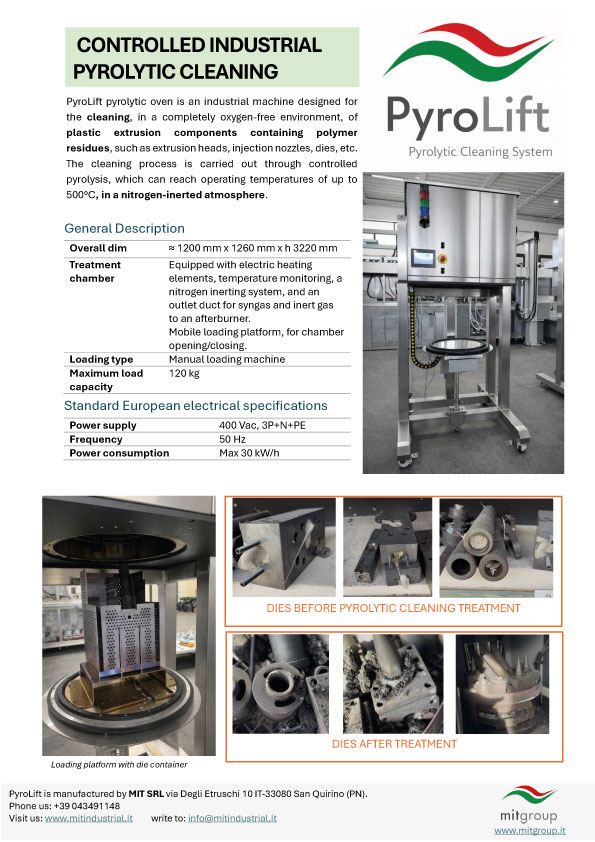
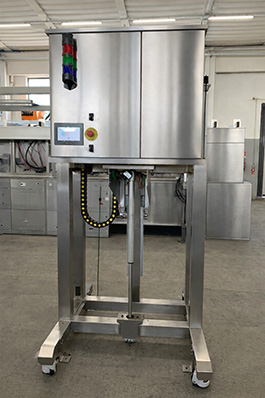
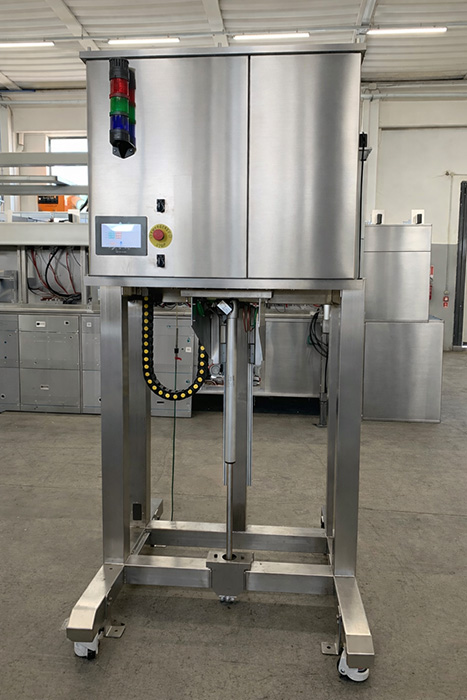
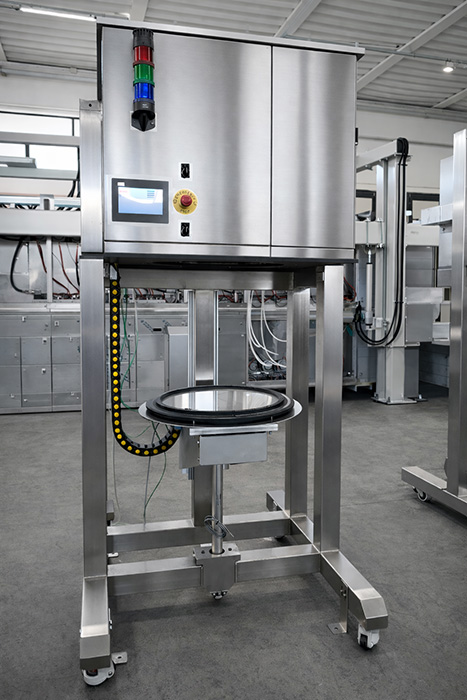
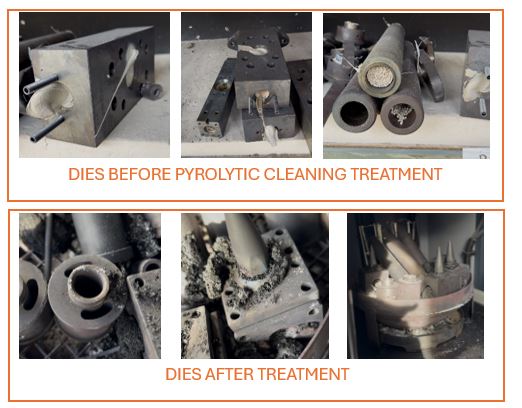
The PyroLift pyrolytic oven is an industrial machine designed for the completely oxygen-free cleaning of plastic extrusion dies containing polymer residues, such as extrusion heads, injection nozzles, dies, etc.
Cleaning occurs through controlled pyrolysis, which can reach operating temperatures of 500°C, in a nitrogen-inert atmosphere.
Applications
MIT Industrial introduces a controlled industrial pyrolytic cleaning solution, designed to remove organic residues from metal components without invasive abrasive treatments, primarily on:
- Dies, screws, heads, nozzles and filters for plastic extrusion
- Hot runner and injection molding components
- Hooks, frames and racks for industrial painting
- Parts contaminated by resins, paints and organic residues
How It Works
Process in a nitrogen-inert atmosphere
Cleaning occurs through controlled pyrolysis in an oxygen-free environment, with process gases directed to the post-combustion system.
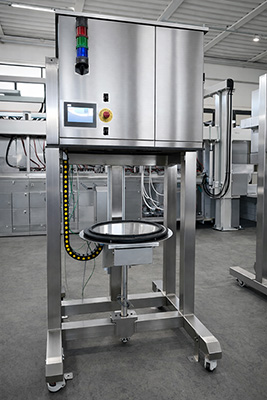
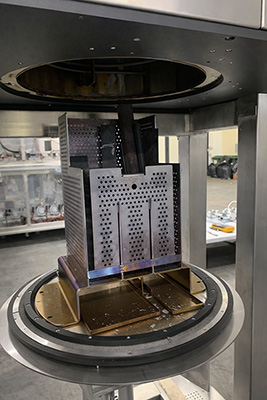
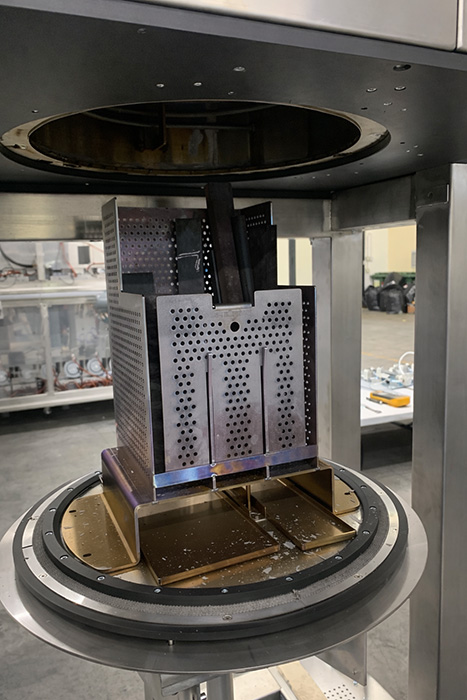
01 - LoadingThe components are positioned on the mobile platform for opening and closing the treatment chamber. |
02 - Controlled PyrolysisThe chamber integrates electric heating elements, temperature monitoring and a nitrogen inertization system. |
03 - Gas TreatmentSyngas and inert gas are conveyed to the afterburner for effluent treatment. |
|
||
Main technical data
Approximate values taken from the MIT SRL 2026 technical data sheet. Configurations and sizing can be evaluated based on the component being treated.
| Overall dimensions | 1.2 x 1.3 x h 3.2 m |
|---|---|
| Maximum load capacity | 120 kg |
| Power supply | 400 VAC, 3P+N+PE / 480 VAC |
| Frequency | 50 Hz / 60 Hz |
| Maximum consumption | 30 kW/h |
| Load type | Manual loading machine |
Technological Advantages
- Non-decarburized materials
- Zero environmental impact
- Consumption <20kWh
- Post-combustion energy recovery
- Limited maintenance (use of post-combustion)
- Easy integration
Pollutant treatment
To prevent the release of pollutants, pyrolysis gases are treated in a dedicated post-combustion chamber. The hot, turbulent flow promotes the oxidation of carbon monoxide, tar, hydrocarbons and any dioxins into CO2 and water vapor.
- Afterburner temperature up to 900°C
- Excess oxygen greater than twice the stoichiometric ratio
- Dwell time in the afterburner chamber of at least 2.5 seconds
Download Data Sheet